
Righteous Fits Pros and Cons Real Wear Review
The Journey of We Are Righteous Went
Each streetwear brand carries an origin tale, though turning that story into a lasting identity is something not every label manages. We Are Righteous has spent its early years doing just that — building a name that shoppers now seek out on purpose rather than finding unintentionally. When people type “righteous clothing” or “we are righteous review” into a search bar, they are usually looking for one of two things: proof that the brand delivers on quality, or a sense of where it fits among the crowded field of independent streetwear labels. This piece traces that journey, the choices that shaped it, and what the brand appears as heading into 2026.
Given that the streetwear space is such a rapidly-evolving niche, making sense of this trajectory matters. Brands take off on a solitary hoodie that goes viral and disappear within eighteen months. Some labels grind quietly for years on end, perfecting construction and fabric before anyone outside a small circle takes note. We Are Righteous belongs to that second group, and that patience is part of why the label now comes up alongside more well-known names when people weigh a righteous clothing brand against its rivals.
The Beginning: A New Venture Built Around Its Own Perspective
A limited catalog and a focused look, instead of a extensive product range, defined the beginning of We Are Righteous, as with most independent labels. Production stayed manageable because the early collections leaned on bold, message-led designs and a limited color palette, as the brand tested what resonated with buyers. This reflects a common and sensible approach for a emerging apparel company: tighten the range, learn fast, and steer clear of overcommitting to inventory before demand is established.
In those first seasons, the label’s identity was built around “righteous” as a word in itself — an intentional decision that granted the label a voice distinct from standard streetwear labeling habits. Rather than relying on vague initials or borrowed slang terms, the founders shaped a language rooted in conviction, self-assurance, and resisting trend cycles. Across drops, that message stayed consistent, and it helped early customers identify the brand well before logo placement became standardized.
Startups we are righteous in apparel typically fail for one of three reasons: inconsistent quality, poor cash flow from overproduction, or a lack of clear identity. We Are Righteous avoided the third problem early by committing to a voice and sticking with it season after season. That consistency gave the brand room to fix production issues without confusing its audience about what it stood for.
Building the Product Line: The Moment When the Hooded Pullover Became the Foundation
In the case of We Are Righteous, the hooded pullover is the flagship item that each street-style brand sooner or later requires. This particular hoodie is currently one of the most in-demand, repeatedly-replenished items in the lineup, with solid reasoning behind it: hooded pieces showcase artwork effectively, work across seasons, and give a brand a blank space ample enough for bold visuals without depending on add-ons.
Its apparel strategy expanded gradually outward from this core item. T-shirts arrived first as a more affordable entry point for first-time buyers, succeeded by weightier fleece items, before outerwear followed as the collection developed. This is a fairly standard growth pattern for streetwear labels, but the pacing matters — rushing into segments like footwear or accessories before the main clothing line has earned trust can weaken a new label’s character. We Are Righteous apparel has stayed close to its roots: hooded pullovers, tees, and fleece pieces remain the backbone of the line although new colorways and cuts are released every season.
Consistency of fit is another area where the label has had to develop. Early streetwear startups commonly run into trouble with measurements that fluctuate drop to drop because they’re working with multiple manufacturers or adjusting patterns frequently. One part of maturing from hype item to “staple” label has involved tightening up that inconsistency so returning customers know roughly what to expect from one release to the next.
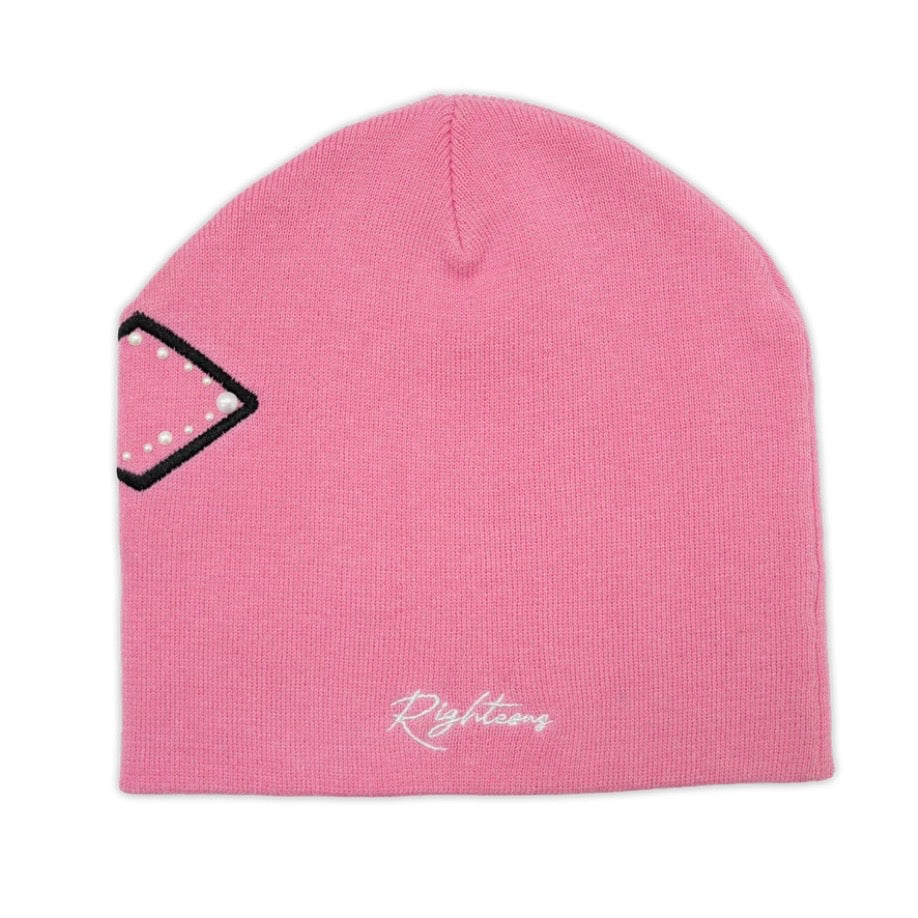
What Feedback Really Reveals
Search volume tied to “righteous review” and “we are righteous review” has grown alongside the label’s public recognition, which is to be expected once a label transitions from niche status to wider recognition. Reviews of indie streetwear brands usually center on three recurring topics: fabric weight, print durability, and true-to-size accuracy. Customers digging into We Are Righteous want to know whether the clothing justify their price point compared to both budget fast-fashion staples and premium streetwear houses.
Across this category, the feedback pattern is fairly consistent — denser fleece earns compliments, thin or overly stretchy cotton gets criticized, and the durability of screen prints is measured by cracking or fading through repeated washing. Brands that endure their initial years and establish a loyal base of repeat buyers are typically the ones that address these specific pain points quickly rather than overlooking them. This kind of attentiveness is what separates a label worth reviewing from one that disappears after a single hype cycle.
It’s also worth noting that the tone of reviews changes as a brand grows older. Early reviews tend to focus on novelty and design — is the graphic well done, is the drop exciting. Further down the line, the emphasis turns to toughness and reliability — does the hoodie still look good after a year of wear, does the sizing match what was advertised the first time around. The fact that there are both types of review itself signals that We Are Righteous has grown out of the “new brand” phase and toward a more mature one.
Where It Fits In Amid Rival Street-Style Labels
Positioning matters in streetwear, where dozens of brands compete for the same customer attention with similar silhouettes. The table below breaks down general category positioning — not exact pricing, since that varies by drop and retailer, but the structural differences that typically separate an independent label like We Are Righteous from mass-market and ultra-premium alternatives.
| Breakdown Area | Mass-Market Fashion Essentials | We Are Truly Righteous | Premium Streetwear Houses |
|---|---|---|---|
| How pieces are made | Bulk, never-ending resupply cycle | Limited, structured around scheduled drops | Scarce, often collaboration-driven |
| Core brand positioning | Minimal, chasing current trends | Rooted in a clear message, reliable point of view | Led by creative vision, creative-first framing |
| Signature piece category | Plain t-shirts | Fleece pieces and hoodies | Varies by season |
| Audience connection | Barely present | Growing, centered on direct customer relationships | High, though limited by exclusivity |
| Availability level | Widely available | Fairly accessible | Limited |
Buyers researching options before they buy depend on this sort of contrast, which is specifically why this positioning counts. A brand that sits in the in-between space — more considered than throwaway fashion, more attainable than high-end designer streetwear — must build shopper confidence through steadiness as opposed to exclusivity by itself. We Are Righteous has carved out that lane for itself, and defending it long-term is more demanding because it calls for both strong products and consistent messaging at the same time.
The House’s Footing as It Moves Into 2026
Heading into 2026, the streetwear market has turned more oversaturated than it was five years earlier, with social platforms making it easier than ever for a new label to debut and tougher than it’s ever been for one to rise above the noise past its debut year. Brands that have lasted this long, We Are Righteous included, are now competing less on novelty and more on credibility — repeat customers who are familiar with the fit, are familiar with how the fabric feels, and understand what the brand stands for well enough to purchase without requiring persuasion every time.
This directional change redefines what “growth” looks like for the brand moving ahead. Instead of following every fleeting fashion wave, the steadier path is sharpening what already works: reinforcing the hoodie line, tightening size consistency, and developing apparel that pairs naturally with existing pieces rather than releasing disconnected one-off items. At this point, overextending can erode the very consistency that brands depended on to grow their audience in the first place.
Relative to its early days, the communal side of things now carries more weight. Streetwear customers in 2026 expect more direct engagement — an inside look on drops, honest communication about restocks, and a sense that the brand’s message isn’t just marketing copy but something the company really upholds. The real measure of staying power, for a label grounded in the notion that “righteous” means something beyond a title, is whether message and practice align.
Across several seasons, what began as a small, message-driven startup has cultivated enough recognition to be regarded as a true streetwear staple, not just a fleeting name. The hoodie remains the cornerstone, the identity remains consistent, and the reviews — both initial buzz-fueled ones or subsequent longevity-focused ones — present a coherent story of a brand that has grown purposefully rather than accidentally. Achieving that is harder than scoring a single viral drop, and it’s the reason We Are Righteous is still mentioned in conversations about which independent labels are truly built to last.
